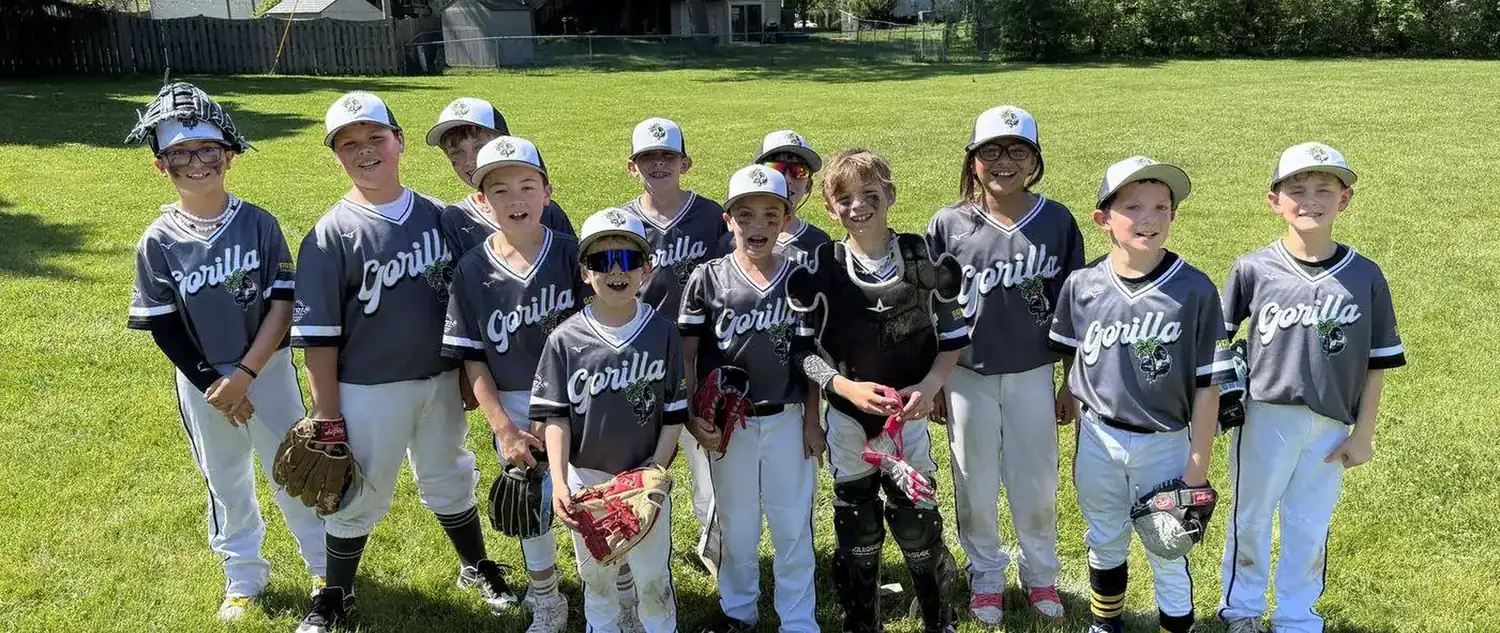
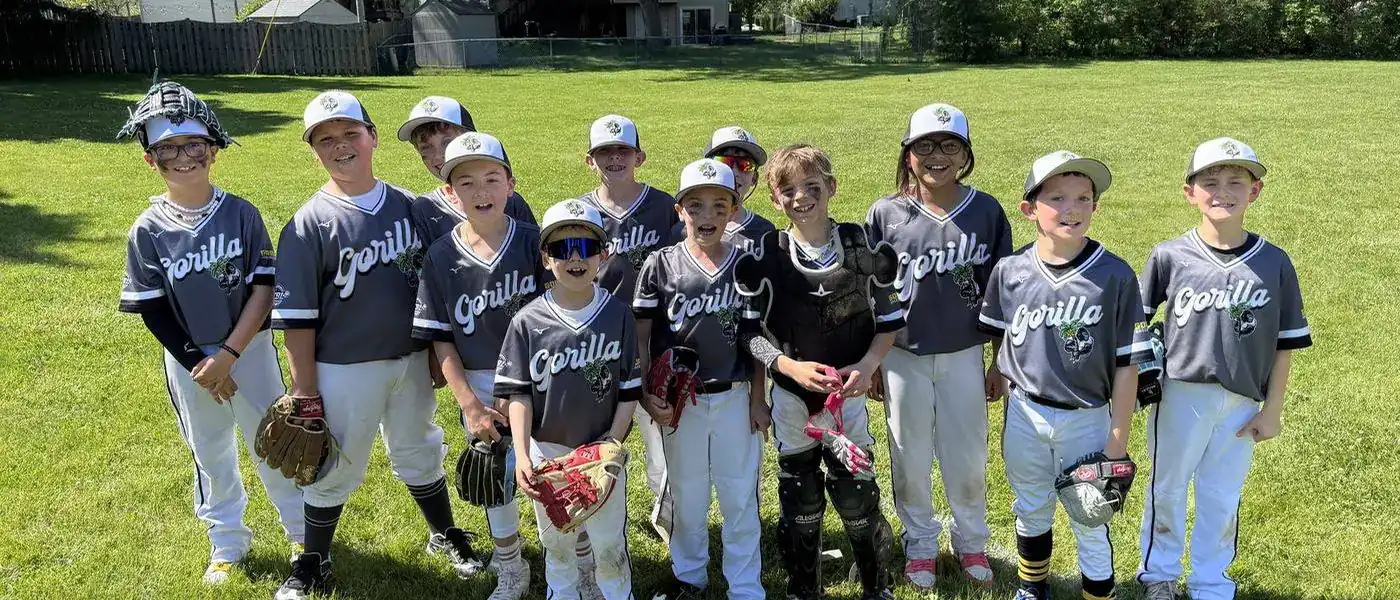
Seven teams and 84 players in 2026. We are building the 2027 rosters now, and we have a small number of roster spots left at four age groups. Training starts in November and runs through July.
We have a handful of roster spots left at 10U, 11U, 13U and 14U, and they will go to the first players we get a look at. Rosters close once they are full, so email us now and we will find a time to get your player in front of us this week.
Training starts in November and runs through July. Two practices a week in the offseason, in our own building, with the same coaches all year. That continuity is the whole point — you cannot develop a player in eight weeks of spring.

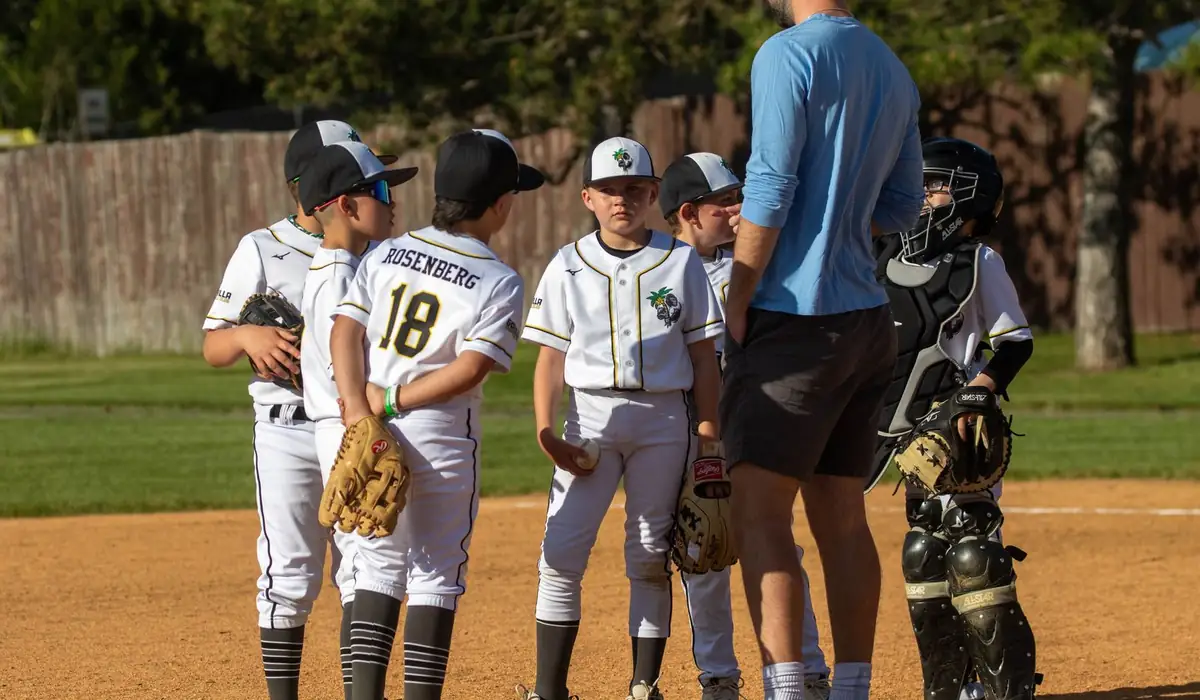
Every player works the same infield actions no matter where he ends up playing. Hands, footwork, agility, arm strength, throwing accuracy — and the leadership that comes from being the guy the whole field runs through.
Game assignments come down to three things: where a player is most likely to have success right now, where the team needs him, and where we think he projects. If you want to know what we see, ask us. We’ll tell you.
Roster spot one through twelve. If your son is not improving, we would rather hear about it in January than in July.
We compete on Saturdays — nobody here is giving away a game to make a point. The long view shows up in how we build practice. What we work on in December is not what would win this weekend; it’s what a player still needs when he’s fourteen and standing in a high school tryout. If that trade sounds wrong to you, we’re probably not your program.
Roster spot one through twelve. If a player isn’t improving, that’s on us, and we’d rather hear about it early than at the end of the season.
Every player works the same infield actions regardless of where they end up playing. It builds footwork, hands, and arm strength that transfer everywhere on the field.
Master the fundamental perfectly, then get challenged with game-like situations. The goal is that games feel prepared for rather than surprising.
Eight age groups for 2027, 8U through 15U. We have a small number of roster spots left at 10U, 11U, 13U and 14U. Status changes as deposits come in — if a group is full, ask about the alternate list.
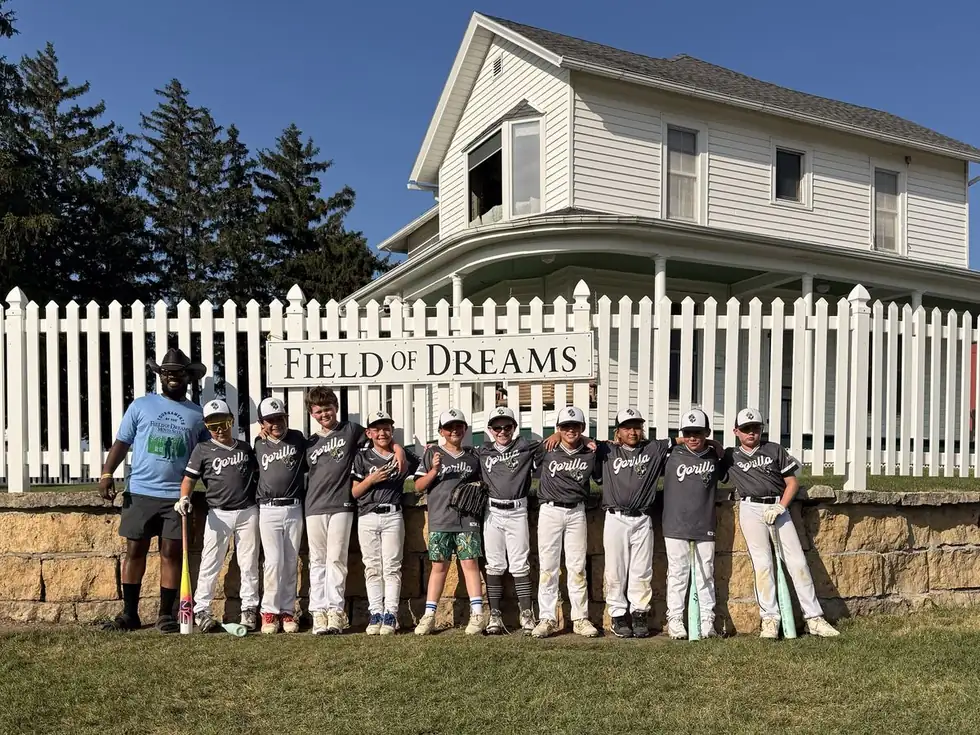
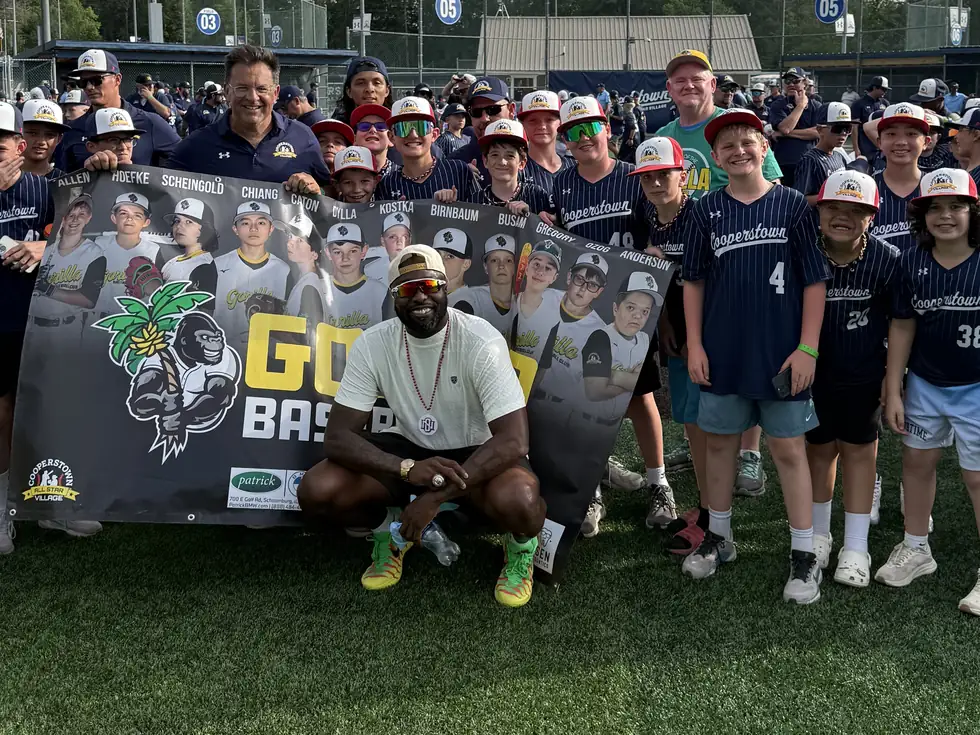
Once a season the older teams go out of state. Not for the competition — you can find that an hour from home. For the place.
The season is periodized on purpose. What we work on in December is not what we work on in May.
Our coaches run practices with a plan, and they are accountable for whether your son gets better over the course of a season. That is the job.
We stay away from mechanical instruction in games. What you will hear from our dugout is confidence and timing — be aggressive, get your pitch, you’re my guy. The mechanical work happens in practice, where there is time to do it properly.
Roster and playing time decisions are made by the coaching staff, based on what they see in a player in practice and in games, where he projects, and what is best for the team. Not by parents, and not by how many private lessons a family buys. That is the whole list of inputs.
We will walk you through the full number before you commit to anything — what it covers, what it does not, and the payment plan. No surprises in March.
Four steps, and it starts with an email. We are past tryout season, so we set up individual looks.
Email us and tell us about your player. We will set up a time this week.
He works out with us at the facility. We watch him hit, throw, field and move.
We talk with you about which group fits, and we are honest if it is not us.
A deposit holds the spot. Nothing is held without one.
Not sure which group fits? Get in touch and we’ll sort it out.
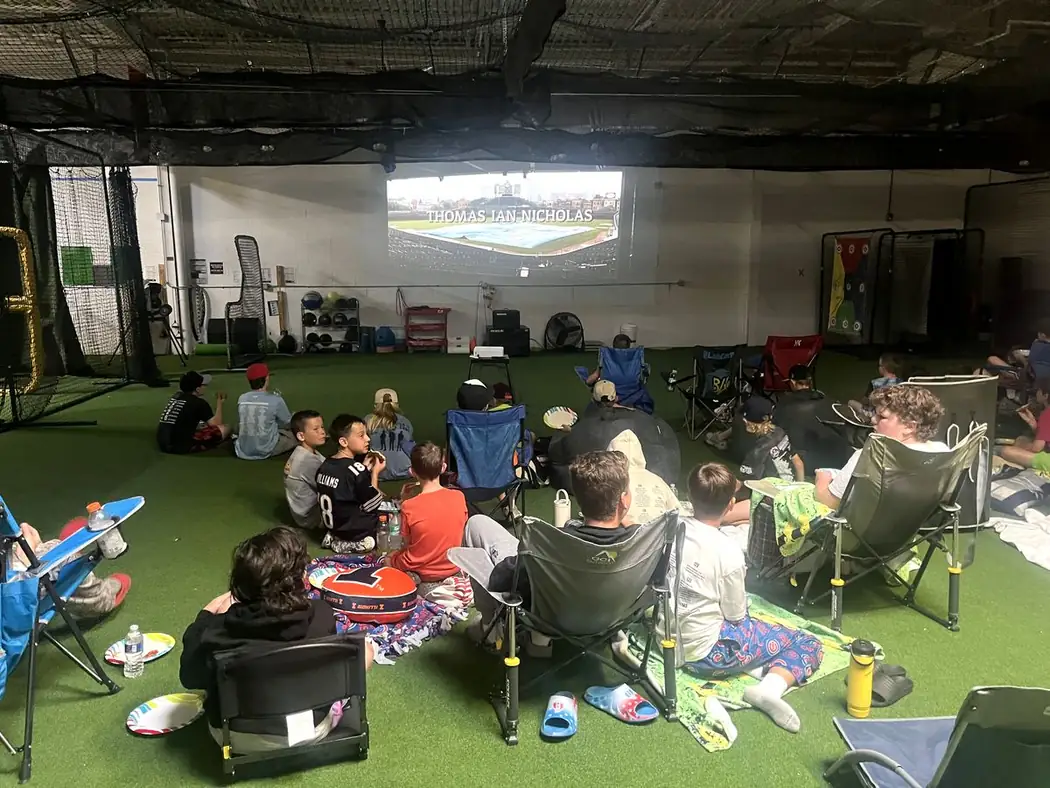
A travel season runs nine months. If the only thing a kid takes out of it is reps, that’s a long nine months.
So we put real work into the whole experience — the practices, the way they treat each other, and a handful of things that have nothing to do with getting better at baseball.
Paid coaches on our staff, not parent volunteers. None of them has a son on the team he coaches. Scheduling and logistics run through the program, not through a parent, and lineup decisions stay with the coaching staff.
Two, in the offseason, at our facility in Vernon Hills. In season it is generally two as well, adjusted around the game schedule.
No. We see our own players two or three times a week for nine months — we do not need a two-hour tryout to know what they can do. Returning players get an offer before tryouts open.
Playing time is fair, but it is not equal. Development happens in the offseason and in practice — nobody gets better sitting on a bench, so we have no interest in parking a kid there. But fair does not mean identical innings for everyone, and we would rather say that plainly in November than have the conversation in June.
Most of the season is close to home — league play and tournaments around Lake County and the north and northwest suburbs, generally inside 45 minutes. We’ve played Lake Forest, the Deerfield Wood Bat, the Lincolnshire Summer Slam and the Dalton Hinkle Memorial Day tournament in Buffalo Grove, plus events run by Illinois Baseball Tournaments, Game Day USA, JP Sports and Perfect Game.
Once a season the older teams go out of state. Recent trips have been Cooperstown All Star Village in New York and the Field of Dreams in Dyersville, Iowa.
Yes, and we would rather he did. Multi-sport athletes tend to move better and burn out less. Our offseason practices are optional for that reason — but attending them is the best way to develop, and the best way to get what you paid for. Tell us what else he plays and we will work around it.
Then we will tell you that, and point you at camps, classes or lessons instead. Putting a player somewhere he is not ready for does not help him.
At age levels with multiple teams we will generally field a more competitive team and one that is more developmental in nature. The same rules apply on both: positions are earned, and players are placed where it is best for them and best for the team.
Being on our second team does not mean everyone plays every position, or that innings are split evenly. We want kids competing at every level.
Outdoor practices and home games are at Vernon Township fields, 3050 N Main St in Buffalo Grove. Everything indoors — which is the entire offseason, November through March — happens at our own facility in Vernon Hills.
Schedules, your LeagueApps account, the team store, gear discounts, the Pelotero app and the leaderboards — all in one place, bookmarked on your phone.
Have a look even if you are not with us yet. It is a fair picture of how the program actually runs day to day.
The best way to figure out whether we are a fit is to stand in the building during a practice. Call, email, or send a note and we will set it up.
Gorilla Baseball Academy
958 Corporate Woods Pkwy, Vernon Hills, IL 60061
Mon–Thu 4:00–10:00pm · Fri 4:00–7:00pm · Sat & Sun 10:00am–5:00pm